Last Orders, First Contact: A Sci-Fi Short in the Pub Function Room
Pub function rooms are having a moment. Not because landlords have suddenly developed a passion for virtual production, but because they are cheap, indoors, have a loo, and come with a ready-made load-in door that isn’t your mate’s nan’s narrow hallway. For a sci-fi short with more ambition than budget, a function room can give you the one thing a bedroom cannot: space to step back.
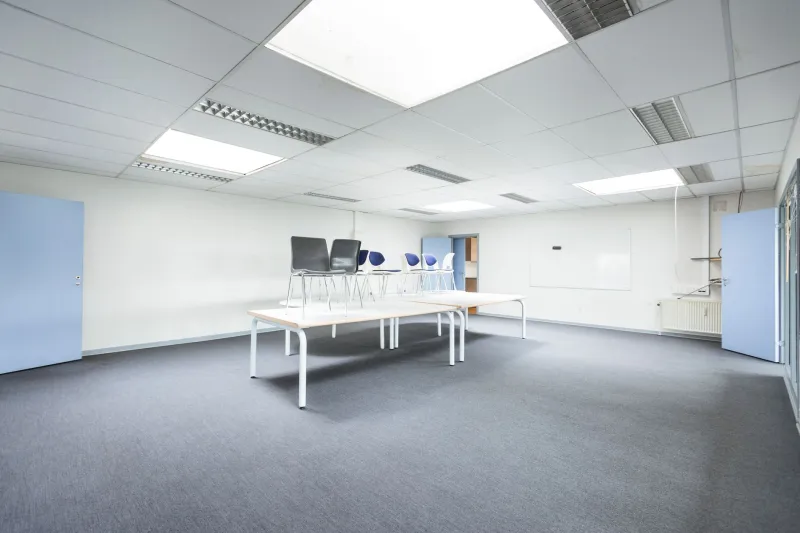
It is not a studio. It smells faintly of chips. The carpet has a pattern designed to confuse the eye. The ceiling is a museum of energy-inefficient lighting. And at 8pm, a man called Keith will start setting out quiz sheets whether you’re mid-take or not. But none of that is a dealbreaker if you plan the shoot around the room rather than pretending it’s something it isn’t.
Recce the Room Like You Mean It
Before you fall in love with the phrase “pub function room sci-fi stage”, get in there with a phone torch and a tape measure. You are looking for four things: floor, ceiling, power and noise.
The floor is the first trap. Patterned carpets are murder for keying if any of them end up in frame. You will either need to cover the floor completely or design shots that keep it out of the key. A cheap tarpaulin is not automatically the answer: shiny tarps bounce light and wrinkle like a crisp packet. Heavy-duty floor cloth, hardboard or even a few sheets of foam matting can work better, but check you can transport it and that it won’t mark the room. Never assume you can gaffer-tape anything to a pub carpet. You will leave residue, and the landlord will notice.
The ceiling matters more than people expect. Function rooms often have low ceilings, ugly fluorescent panels, emergency lights and random wall sconces. You can sometimes switch them off at the breaker, but only with permission. If you can’t, you need to flag them out of your shots or build your set so they sit behind camera. Check whether any lights hum. That hum will end up in your audio and, worse, can cause flicker on camera.
Power is the next reality check. A function room may have two double sockets and a socket behind the bar that the landlord would rather you didn’t mention. Do not daisy-chain kettle leads and hope. Add up your load, use proper extension reels, and keep an eye on anything that gets warm. If you need more power than the room can safely provide, that is not a problem to solve with optimism. Hire a small generator or reduce your kit list.
The Conversation With the Landlord
This bit is less glamorous than lighting design and more important than your lens choice. Book a midweek daytime slot if you can. It is cheaper, quieter and gives you a buffer before the evening trade. Explain exactly what you are doing: a small film shoot, no drilling, no painting, no permanent fixings, no mess. Bring a simple risk assessment and a copy of your public liability insurance. If you don’t have insurance, sort it before you ask. Landlords hear “film crew” and imagine tripods through windows and someone setting fire to the carpet.
Ask about access times, fire exits, the smoking area, the kitchen schedule and the noise curfew. Do not assume you can shoot until midnight just because the pub is open. Ask where you can park, where you can dump cases, and whether the cleaner needs to get through. Offer a sensible deposit. Agree a pack-down deadline in writing, even if it’s just a polite email. Then stick to it.
Build a Keyable Corner, Not a Building Site
When you can’t paint the walls, build the set in front of them. A freestanding pipe-and-drape frame with a green cloth is the obvious tool, but it needs weighting and it needs to be bigger than your framing. You want enough green around the edges that the key has somewhere to bite. If the cloth is too tight, every wrinkle becomes a tracking problem. If it is too loose, it flaps when someone walks past.
Keep the green screen away from the wall by at least a metre if the room allows. That gives you space to light it separately and reduces green bounce on your actors. For sci-fi, a clean green corner plus a couple of practical foreground elements — a console made from a flight case, a bit of pipe, a backlit panel — will sell the shot better than a huge cloth that eats the whole room. You can composite the world later. You cannot composite away bad floor contact.
Cover the floor with something matte and non-patterned if feet are in shot. Black floor cloth is useful, but it can make the scene look like a void if you’re not careful. Sometimes a dark grey or neutral mat is more forgiving. Use weights, not tape, wherever possible. Put a mat down under your tripod legs. Take photos before and after. Leave the room exactly as you found it, minus the biscuit crumbs.
Tame the Ceiling and the Sockets
Function room lighting is usually designed to make a buffet look cheerful, not to key cleanly. Turn off what you can and supplement with your own lights. Small LED panels are fine for a low-budget shoot, but check for flicker at different shutter speeds. If the house lights are fluorescent, they may pulse on camera. A cheap way to test is to shoot a few seconds at your intended frame rate and scrub through the footage. If you see banding, change shutter speed or switch the source off.
Flag your own lights so they don’t spill onto the green cloth. Green spill on shoulders is the classic low-budget giveaway. A couple of black polyboards or even dark moving blankets can help. Keep cables tidy and use cable ramps or mats over walkways. Someone will trip otherwise, and it will be the person holding the only working battery.
Shoot Plates Before the Quiz Crowd Arrives
If you are planning virtual-production-style plates — clean background elements, locked-off shots, parallax passes — shoot them first, before the room fills up. Get your clean plates with no actors and no crew in frame. Lock the tripod, mark the floor, and shoot a few takes at different exposures if you are unsure. For a sci-fi short, a static plate of a corridor or a starfield can be built later, but a clean foreground plate of your set is harder to fake.
Use tracking markers only if you actually need them. A few small crosses on the green cloth can help, but don’t cover the whole thing. Keep markers off the floor if feet will cross them. Shoot a short reference pass with a stand-in before the actor arrives. That saves everyone standing around while you work out where the frame should be.
Respect the Curfew
Quiz night waits for no sci-fi epic. If the landlord says you need to be quiet by 7pm, plan your loudest scenes for earlier in the day. Record room tone before the pub opens. Get wild tracks of footsteps, doors and cloth movement. If a scene needs shouting, do it while the kitchen radio is still on and the cleaner is hoovering, not when the first quiz team is arguing over question four.
Pack down quickly and quietly. Label your cases. Take your rubbish with you. Send the landlord a thank-you message the next day and a couple of behind-the-scenes photos if they’re interested. The best low-budget location is one you can book again. A pub function room will never be a soundstage, but with a bit of diplomacy, a matte floor cover and a firm grip on the plug sockets, it can get your sci-fi short out of the bedroom and into the back bar. Last orders, first contact — just make sure you’re gone before the quiz starts.